WeightLossNagger

The Ultimate Weight Loss Grocery List for Beginners

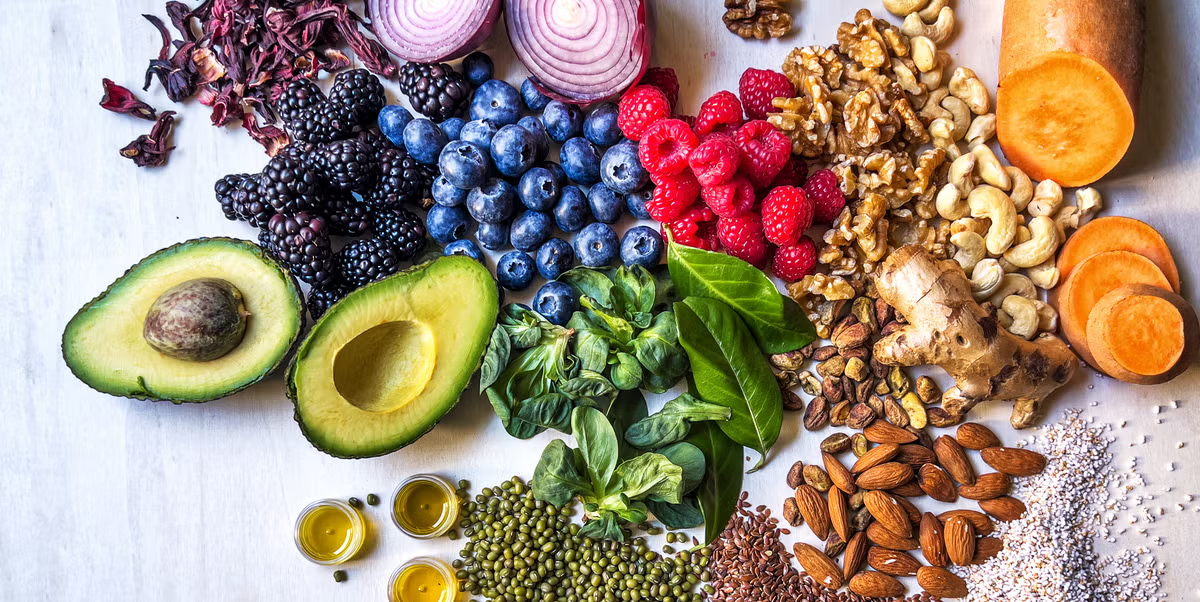
There’s no “best diet” for weight loss. What works for one person may not work for another. The Centers for Disease Control and Prevention recommend a comprehensive approach to weight management that includes a balanced diet, regular exercise, and stress management. In addition, it’s best to lose weight slowly (at a rate of one to two pounds weekly) rather than rapidly. People …

Read More »


Conquer Cravings with These Healthy Substitutions

We have all experienced food cravings – and often those cravings have to do with texture, like something creamy or crunchy. Food textures play a big role in whether we like or dislike certain foods. For example, while you may not like mushy canned peas, you may be surprised to realize that you like fresh or barely cooked peas. Luckily, …

Read More »

10 Natural Foods to Burn Belly Fat: A Boost for Weight Management

Struggling to shed that stubborn belly fat? You’re not alone. Many people struggling with issues of being overweight or with obesity are looking for natural ways to boost their metabolism and manage their weight effectively. The good news? The right foods can fire up your metabolism, turning your body into a fat-burning machine. Imagine adding simple foods to your diet that not only support …

Read More »

Get the facts: How many steps a day should you take to lose weight?

You’ve downloaded the step-counting app, bought the fitness tracker and set an ambitious 15,000-steps-a-day goal. But three weeks in, you’re wondering if all this walking is actually helping you lose weight, or are you just wearing out your sneakers? You’re not alone in asking this question. Walking may be one of the simplest and most accessible forms of exercise, but …

Read More »

Probiotic vs. Prebiotic: Which Supports Better Weight Loss?

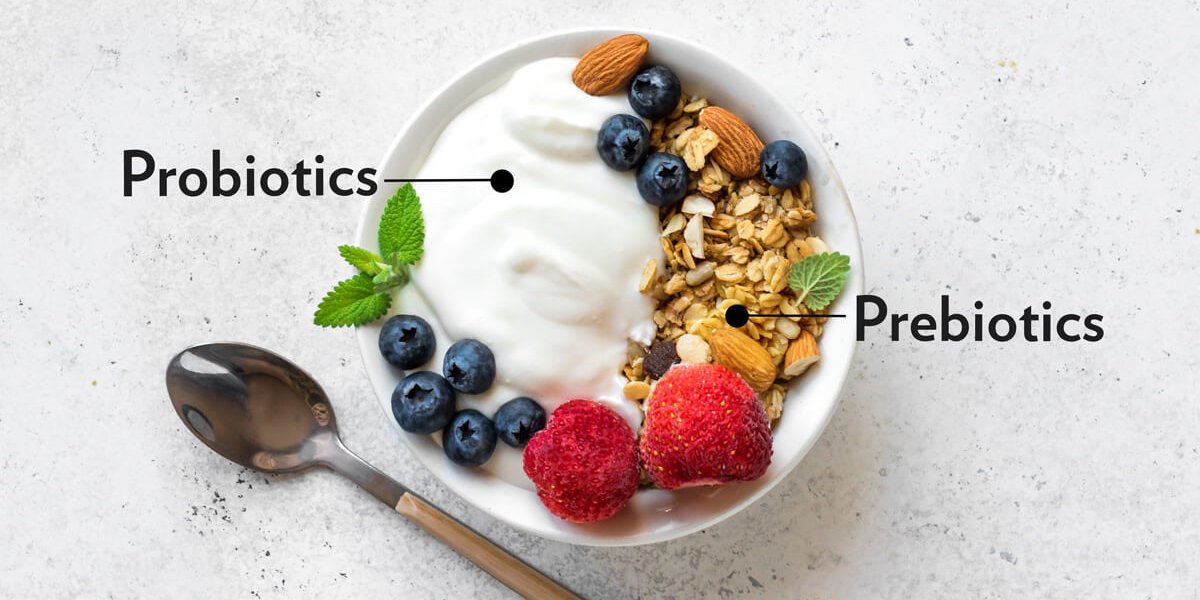
When it comes to gut health, there’s plenty of debate over probiotic vs. prebiotic. The truth is that both matter for weight control. Probiotics are live, beneficial bacteria that balance the gut microbiome. Prebiotics are non-digestible fibers that feed those bacteria, helping them grow and function properly. A balanced gut supports digestion, reduces bloating, and may influence appetite and fat storage. Studies …

Read More »